
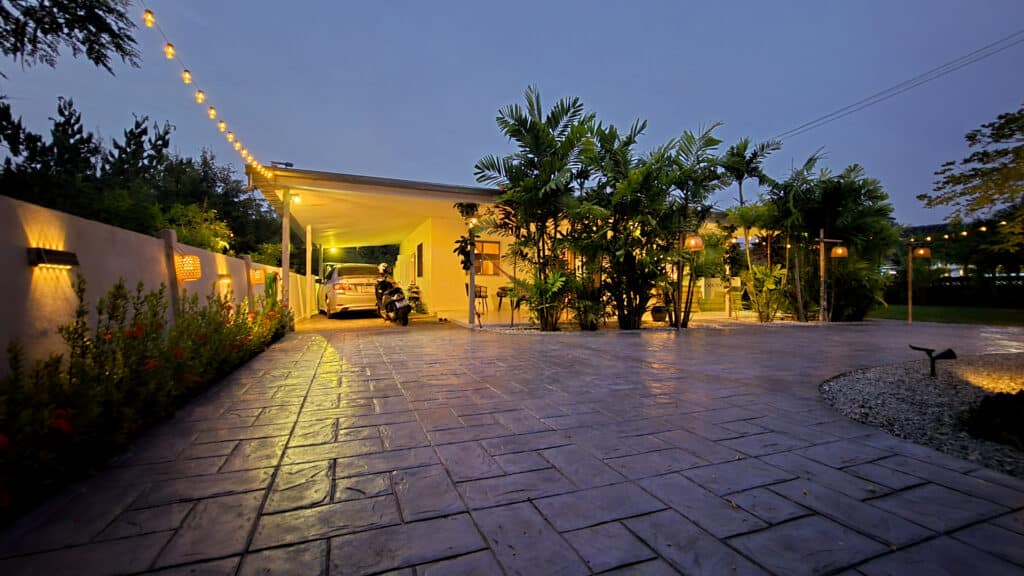
Most pavers in Aliso Viejo should be resealed every two to four years. The exact timing depends on how much sun the surface gets, how much traffic it handles, and the type of sealer that was used last time. A shaded back patio may hold up well for years, while a south-facing driveway that sees daily use will usually need attention sooner. At Fuller Paver Sealing, we help homeowners figure out where their pavers fall on that timeline so they can protect their hardscape without sealing more often than necessary.
Why Do Pavers Need to Be Resealed at All?
Pavers are durable, but they are also porous. When left unprotected, they absorb water, oil, and dirt, and the sun slowly breaks down their color. A quality sealer fills those pores and creates a protective layer that:
- Slows fading caused by UV exposure
- Helps prevent oil, food, and beverage stains from soaking in
- Reduces erosion of the paver surface and joint sand
- Makes routine cleaning faster and easier
No sealer lasts forever. Sunlight, foot traffic, tires, and weather wear the protective layer down over time, which is why resealing is part of normal paver care.
What Affects How Long Paver Sealer Lasts in Aliso Viejo?
Aliso Viejo’s sunny climate is great for outdoor living, but it is hard on sealers. Several local factors can shorten or extend the life of your sealer:
- Sun exposure: Driveways and pool decks in full sun break down faster than covered patios and shaded walkways.
- Traffic: Driveways that see cars every day wear faster than garden paths or side yards.
- Irrigation: Sprinklers that regularly spray pavers can leave mineral deposits and speed up wear.
- Sealer quality: Cheaper film-forming sealers can trap moisture, turn cloudy, and peel early.
This is why Fuller Paver Sealing uses UV stable, breathable, and renewable sealers. Breathable sealers let moisture from the ground escape through the pavers instead of getting trapped underneath, which helps prevent cloudiness, peeling, and efflorescence.
What Are the Signs Your Pavers Need Sealing?
Rather than relying only on the calendar, watch for these signs that your pavers are ready for a fresh coat:
- Colors look faded, dull, or chalky
- Water soaks into the pavers instead of beading on the surface
- Stains are harder to remove than they used to be
- Joint sand is washing out or weeds are appearing between pavers
- The surface looks blotchy or uneven
A simple test is to sprinkle some water on the pavers. If it darkens the surface and absorbs quickly, the sealer has likely worn thin.
Should New Pavers Be Sealed Right Away?
Not always. Newly installed pavers often release a white, powdery residue called efflorescence during their first months. Sealing too early can trap this residue under the sealer. It is usually best to wait until the pavers have had time to cure and the efflorescence has faded, then clean and seal them. Our team can inspect your new installation and recommend the right timing.
Does Cleaning Come Before Sealing?
Yes. A sealer will lock in whatever is on the surface, including stains, dirt, and residue. Proper cleaning and surface preparation help the sealer bond correctly and leave a clean, even finish. Our gentle cleaning process lifts stains and clears out joints before any sealer is applied.
Keep Your Aliso Viejo Pavers Protected
Whether your driveway is looking faded or your patio pavers have not been sealed in years, the Fuller Paver Sealing team can assess your hardscape and recommend the right next step. We proudly serve homeowners throughout Aliso Viejo, South Orange County, and the greater Orange County area, and we back our work with a one-year guarantee. Call 310-944-9099 today to request your free quote and keep your pavers looking like new.